


-

Add: HeBei ShengShi HongBang Cellulose Technology CO.,LTD.
-

Email
13180486930@163.com -

CONTACT US
+86 13180486930
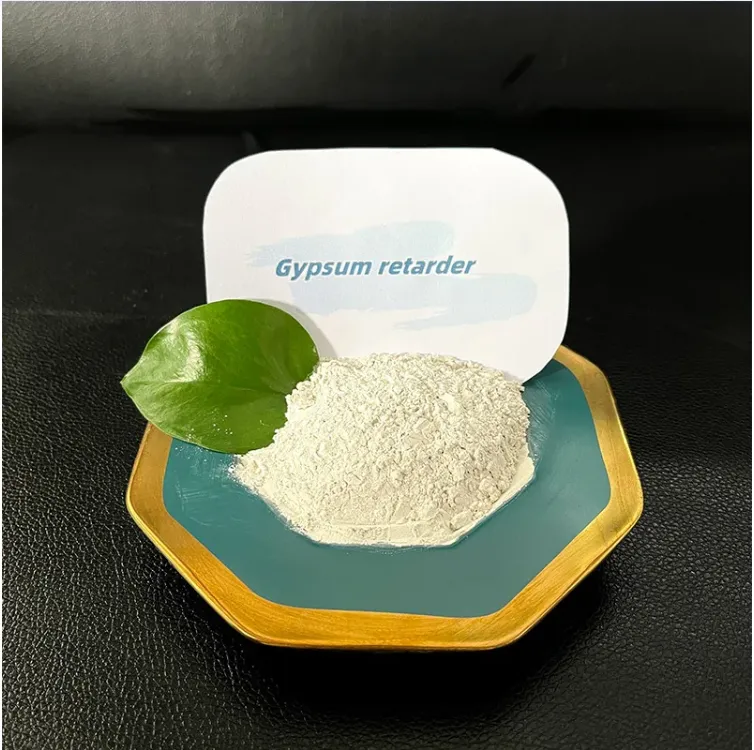


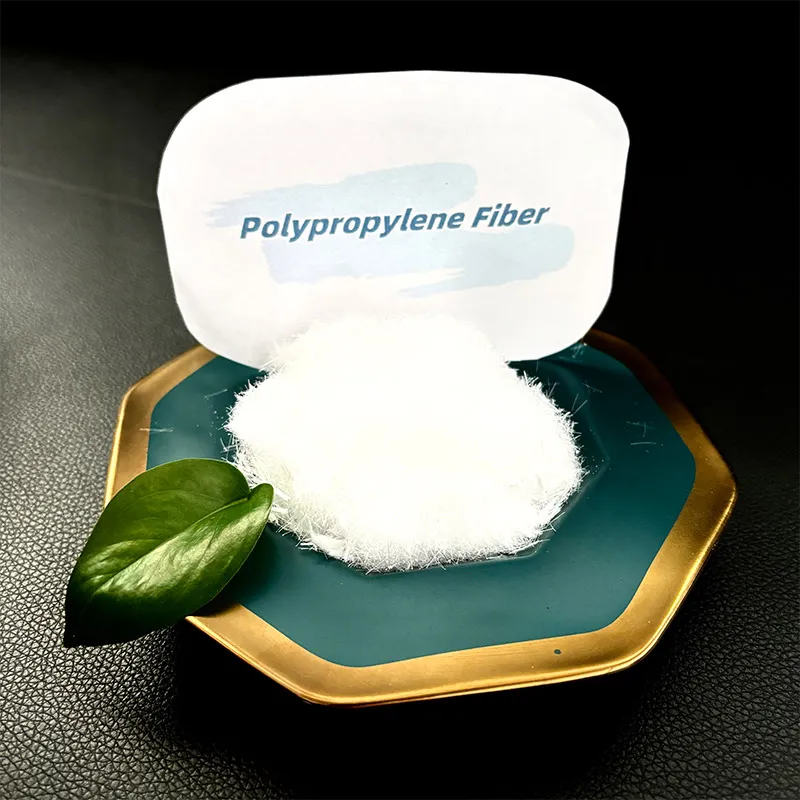
polypropylene fiber, pp fiber, pp fiber concrete, microfiber synthetic, polypropylene fibre is a key solution in the manufacturing industry, specifically within Manufacturing of building materials and Concrete admixture. This article explores how HeBei ShengShi HongBang Cellulose Technology CO.,LTD. supports professionals with durable, high-performance products, and explains why this product is an ideal choice for businesses in these sectors. Table of Contents polypropylene fiber,pp fiber,pp fiber concrete,microfiber synthetic,polypropylene fibre Overview Benefits & Use Cases of polypropylene fiber,pp fiber,pp fiber concrete,microfiber synthetic,polypropylene fibre in Concrete admixture Cost, Maintenance & User Experience Sustainability & Market Trends in manufacturing Conclusion on polypropylene fiber,pp fiber,pp fiber concrete,microfiber synthetic,polypropylene fibre from HeBei ShengShi HongBang Cellulose Technology CO.,LTD. polypropylene fiber,pp fiber,pp fiber concrete,microfiber synthetic,polypropylene fibre Overview Polypropylene fiber (often called pp fiber) is a high-performance, chemically inert micro reinforcement added to cementitious materials to mitigate early-age cracking and enhance durability. In pp fiber concrete, these microfiber synthetic strands distribute throughout the matrix to control plastic shrinkage, improve impact resistance, and increase toughness without corroding. Typical technical characteristics include a specific gravity near 0.91, melting point around 160–170°C, negligible water absorption, and excellent alkali resistance—attributes that make polypropylene fibre ideal for harsh cement environments. Common micro grades range from approximately 3–19 mm in length with diameters in the micron scale; tensile strengths frequently fall in the hundreds of MPa with moduli in the low GPa range, delivering crack control at low dosages. HeBei ShengShi HongBang Cellulose Technology CO.,LTD. manufactures consistent, clean-cut pp fiber engineered for uniform dispersion in mortar and concrete. With controlled fiber geometry, surface treatment for better wetting, and strict quality assurance, the company helps project teams achieve reliable performance from batch to batch across demanding construction and precast applications. Benefits & Use Cases of polypropylene fiber,pp fiber,pp fiber concrete,microfiber synthetic,polypropylene fibre in Concrete admixture In Concrete admixture formulations, pp fiber concrete is widely used to reduce plastic shrinkage cracking in slabs-on-grade, industrial floors, screeds, overlays, shotcrete, and precast elements. Microfiber synthetic reinforcement helps restrain early-age movement, reduces bleeding and settlement, and supports better surface integrity. Because polypropylene fiber is non-corrosive and chemically stable, it maintains performance in alkaline pore solutions and aggressive environments where steel micro-reinforcement or wire mesh might corrode. Compared with traditional crack-control methods, pp fiber can cut labor and placement complexity, improving jobsite productivity. It disperses rapidly in ready-mix trucks or mixers and is compatible with most water-reducers, superplasticizers, and supplementary cementitious materials. HeBei ShengShi HongBang Cellulose Technology CO.,LTD. brings deep category expertise, advising on fiber length, dosage, and mixing protocols tailored to specific elements—slab thicknesses, ambient conditions, or shotcrete rebound concerns—so specifiers and contractors can realize consistent finishes and fewer callbacks while meeting project specifications. Cost, Maintenance & User Experience Total cost of ownership improves when pp fiber replaces or reduces conventional crack-control measures such as welded wire mesh in non-structural applications. The incremental material cost per cubic meter is typically modest, while time savings from simpler placement and reduced labor can be significant. By limiting early-age cracking, polypropylene fibre helps avoid patching, joint edge spalling, and premature surface repairs—key drivers of lifecycle maintenance costs in the Manufacturing of building materials sector. Contractors and ready-mix producers report smoother finishing, improved edge stability, and fewer early-age defects when properly dosed and mixed. Field experience and industry studies frequently show substantial reductions in visible plastic-shrinkage cracking when microfiber synthetic is used under hot, windy, or low-humidity conditions. HeBei ShengShi HongBang Cellulose Technology CO.,LTD. supports users with application guidance, recommended dosages, and quality documentation, helping B2B decision makers validate ROI through fewer defects, tighter schedules, and enhanced owner satisfaction. Sustainability & Market Trends in manufacturing As the construction value chain accelerates toward low-carbon, durable designs, pp fiber concrete aligns with sustainability priorities. By controlling cracks that drive repairs and rework, polypropylene fiber supports longer service life and reduced material consumption over time. In many non-structural crack-control scenarios, substituting pp fiber for steel mesh can also help cut embodied carbon and logistics impacts. Compliance with leading standards—such as ASTM C1116 for fiber-reinforced concrete and EN 14889-2 for polymer fibers—supports broader market acceptance and specification. HeBei ShengShi HongBang Cellulose Technology CO.,LTD. positions its portfolio to meet modern regulatory and green-building expectations with process efficiency, consistent quality, and technical support that helps clients hit durability and performance targets. The company tracks market trends across admixtures, cement replacements, and circularity initiatives, ensuring its microfiber synthetic solutions work seamlessly with contemporary mix designs used in precast, infrastructure, and commercial projects worldwide. Conclusion on polypropylene fiber,pp fiber,pp fiber concrete,microfiber synthetic,polypropylene fibre from HeBei ShengShi HongBang Cellulose Technology CO.,LTD. For B2B decision makers in manufacturing, Manufacturing of building materials, and Concrete admixture, polypropylene fiber delivers dependable crack control, improved durability, and streamlined installation. As a trusted producer, HeBei ShengShi HongBang Cellulose Technology CO.,LTD. supplies pp fiber engineered for consistent dispersion and performance in pp fiber concrete, enabling measurable quality and lifecycle benefits. Contact us: email: 13180486930@163.com. Visit our website: https://www.sshbhpmc.com .
- 40000tons

Production
- 20+years

Experience
- 5000+㎡

Acreage

-

Materials derived from natural sources, like wood cellulose , are redefining industries with their versatility and sustainability. Products such as xylem fiber , fibre made from wood pulp , and bleached wood pulp offer an eco-friendly alternative to synthetic materials while maintaining exceptional functionality. Their adaptability makes them ideal for use in construction, textiles, packaging, and beyond. Wood Cellulose: Nature’s Engineering Marvel Wood cellulose is a fundamental component of plant cell walls, known for its strength, flexibility, and lightweight properties. Derived from sustainably harvested timber, it is processed into versatile forms that cater to various industrial needs. Whether used as a construction additive, a textile fiber, or a packaging material, wood cellulose offers unmatched durability and eco-friendliness. This material is integral to modern manufacturing, especially as industries shift toward renewable resources. With its availability in forms like fibre made from wood pulp , wood cellulose is at the forefront of sustainable innovation, providing both functionality and environmental benefits. Xylem Fiber: Strength and Adaptability A specialized form of wood cellulose , xylem fiber is celebrated for its structural strength and water transport capabilities. This fiber, which mimics the natural function of xylem in trees, is ideal for applications requiring moisture resistance and durability. Industries such as paper manufacturing, filtration, and packaging rely heavily on xylem fiber for its reliability and adaptability. The increasing demand for eco-conscious materials has made xylem fiber a popular choice in product innovation. Its natural composition ensures it is biodegradable and renewable, making it a superior alternative to non-biodegradable synthetic fibers. By incorporating xylem fiber into production processes, companies can reduce their environmental impact without compromising on quality. Fibre Made from Wood Pulp: Sustainability Meets Functionality Fibre made from wood pulp is revolutionizing industries like fashion, hygiene, and construction. This material offers the strength of synthetic fibers while being more sustainable and environmentally friendly. Its softness, durability, and breathability make it a preferred choice for textiles, such as clothing and home furnishings. Beyond textiles, fibre made from wood pulp is widely used in absorbent products, including diapers and medical pads, due to its excellent moisture retention properties. Additionally, it plays a vital role in creating lightweight composites and durable building materials. The versatility of this wood cellulose derivative continues to drive innovation across sectors. Bleached Wood Pulp: A Staple in Quality Manufacturing Bleached wood pulp is a refined version of wood cellulose , processed to achieve a bright, pure-white appearance. This material is crucial in producing high-quality paper, hygiene products, and specialty applications like medical-grade textiles. Its smooth texture, uniformity, and strength make it an essential component in industries that demand precision and reliability. The bleaching process enhances the purity of bleached wood pulp , ensuring it meets strict industry standards. Moreover, modern advancements have made bleaching more sustainable, minimizing environmental impact. Whether used in premium packaging, tissue paper, or industrial filters, bleached wood pulp exemplifies how wood cellulose can deliver excellence and sustainability. Why Choose Wood Cellulose for Your Needs? Materials like wood cellulose , xylem fiber , fibre made from wood pulp , and bleached wood pulp offer a harmonious blend of sustainability, performance, and versatility. As industries pivot toward greener solutions, these natural fibers provide a reliable and eco-conscious alternative to synthetic materials. By integrating wood cellulose into products and processes, businesses can achieve superior quality while reducing their environmental footprint. From construction to textiles and packaging, the applications of these fibers are vast and impactful. Harness the power of wood cellulose and its derivatives to create innovative, sustainable, and high-performance solutions for today’s world.
-
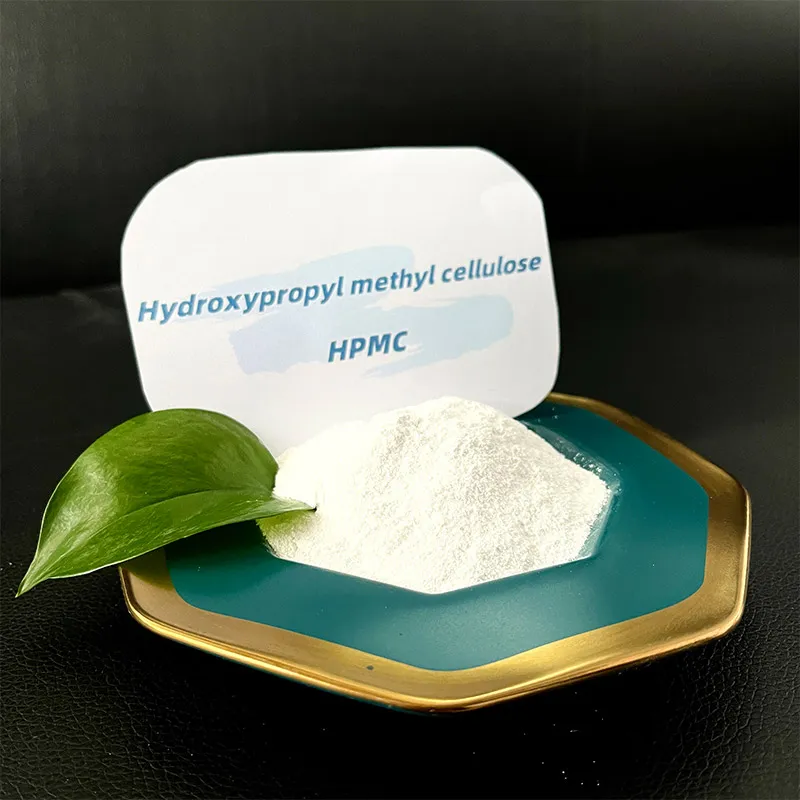
Hydroxypropyl Methylcellulose (HPMC) is a highly versatile and reliable compound used across various industries for its remarkable properties. Whether you're in the construction, pharmaceutical, food, or cosmetic sectors, hydroxypropyl methylcellulose plays an essential role in improving the quality and performance of your products. Known for its ability to act as a binder, thickener, film-former, and stabilizer, HPMC is an indispensable ingredient in modern manufacturing processes. Discover the many benefits of hydroxypropyl methylcellulose and how it can elevate your products. Hydroxypropyl Methylcellulose Function: Enhancing Quality and Performance The hydroxypropyl methylcellulose function is vast and incredibly beneficial in various applications. As a cellulose derivative, HPMC serves several crucial roles, including thickening, water retention, and improving workability in construction materials like tile adhesives and cement. Additionally, hydroxypropyl methylcellulose is commonly used in pharmaceuticals as a binder and controlled-release agent for tablets and capsules. In the food industry, HPMC is often added to enhance texture, stabilize emulsions, and provide moisture retention. Whether for construction, food, or personal care products, the hydroxypropyl methylcellulose function is essential in achieving superior product performance. Where to Buy Hydroxypropyl Methylcellulose: Quality and Affordability When you decide to buy hydroxypropyl methylcellulose , choosing a reliable supplier is key to ensuring you receive high-quality products at competitive prices. Whether you need hydroxypropyl methylcellulose for construction, pharmaceuticals, or food applications, our products meet the highest standards of quality. We offer a wide selection of hydroxypropyl methylcellulose grades to suit your specific needs, with easy ordering and fast delivery options. When you buy hydroxypropyl methylcellulose from us, you're investing in a product that guarantees consistent performance and outstanding results in all applications. Hydroxypropyl Methylcellulose Price: Affordable Solutions for Your Needs Looking for an affordable solution to enhance your products? The hydroxypropyl methylcellulose price is often influenced by factors such as the grade, quantity, and supplier. However, despite the variations in pricing, hydroxypropyl methylcellulose remains a cost-effective solution for many industries. By choosing the right supplier, you can find hydroxypropyl methylcellulose at a price that fits your budget, all while ensuring high-quality results. Our competitive hydroxypropyl methylcellulose price ensures that you can access premium-grade materials without breaking the bank, making it an excellent investment for your manufacturing needs. Why Choose Our Hydroxypropyl Methylcellulose for Your Projects? When it comes to quality, consistency, and performance, our hydroxypropyl methylcellulose products stand out. We offer a wide variety of HPMC grades suitable for various industries, including construction, pharmaceuticals, food, and cosmetics. Whether you're looking to improve adhesion, water retention, or texture, our hydroxypropyl methylcellulose is formulated to meet your specific requirements. With reliable customer service, fast shipping, and competitive pricing, choosing us for your hydroxypropyl methylcellulose needs ensures you get the best product at the best value. Hydroxypropyl Methylcellulose FAQs What is hydroxypropyl methylcellulose used for? Hydroxypropyl methylcellulose (HPMC)is used in a wide range of industries for its excellent properties. It functions as a thickener, binder, stabilizer, and emulsifier in construction materials (such as tile adhesives and cement), pharmaceuticals (as a binder and controlled-release agent), food (to enhance texture and retain moisture), and cosmetics (to improve viscosity and texture). Its versatility makes it an essential ingredient for many manufacturing processes. What is the function of hydroxypropyl methylcellulose in construction? In construction, hydroxypropyl methylcellulose plays a critical role in improving the workability and water retention of cement-based products like tile adhesives, grout, and mortar. It helps to prevent premature drying, allowing the mixture to remain workable for longer periods and improving its adhesion to various surfaces. This enhances the overall durability and strength of construction materials, making HPMCa crucial component in the building industry. How can I buy hydroxypropyl methylcellulose for my project? You can buy hydroxypropyl methylcellulose from trusted suppliers like us, who offer a wide range of HPMC products for various industries. Whether you're in construction, pharmaceuticals, or food processing, we have the right grade of hydroxypropyl methylcellulose to meet your needs. Simply visit our website, browse our product catalog, and place your order with ease. We offer competitive prices, fast delivery, and excellent customer support. How much does hydroxypropyl methylcellulose cost? The hydroxypropyl methylcellulose price depends on several factors, including the grade, quantity, and supplier. However, we strive to offer the most competitive prices without compromising on quality. Our hydroxypropyl methylcellulose is affordable and provides excellent value, ensuring that you get a high-performance product at a reasonable price. For bulk orders, we also offer discounted rates to help you save on large projects. Why should I choose your hydroxypropyl methylcellulose products? Our hydroxypropyl methylcellulose products are carefully manufactured to meet the highest industry standards, ensuring superior performance and consistency. Whether you need HPMCfor construction, pharmaceuticals, or other applications, we offer the best quality at competitive prices. We are committed to providing you with reliable products, fast delivery, and excellent customer support to ensure the success of your project. Choose us for all your hydroxypropyl methylcellulose needs.
advantages
-

200000 Viscosities
Excellent product
We can produce pure products up to 200,000 viscosities
-

40000 tons
High yield
We don’t stop production all year round, and the annual output can reach 40,000 tons
-

24 hours
Quality service
We provide 24-hours online reception service, welcome to consult at any time
———— Inquiry Form
Schedule A services
-
 cement_reinforcement_wire
Oct . 25, 2025
Understanding Cellulose Derived from Wood Cellulose is one of the most essential organic polymers fo -
 hpmc_empty_capsules
Oct . 25, 2025
Polypropylene fiber, often referred to as PP fiber, is revolutionizing a multitude of industries wit -
 vae_powder
Oct . 25, 2025
Unlocking the Benefits of Purchasing HPMC A Comprehensive Guide Hydroxypropyl Methylcellulose (HPMC)


